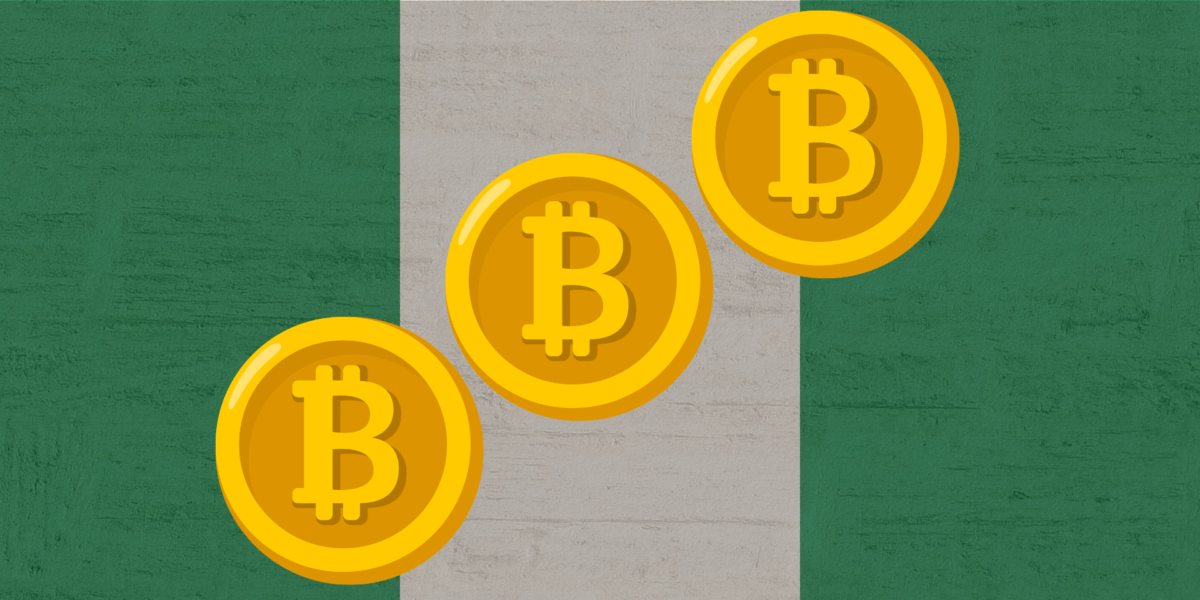
Blockchain.com has been admitted to the Nigeria Accelerated Regulatory Incubation Programme, giving the global crypto platform conditional permission to test its services under the supervision of the Securities and Exchange Commission.
The admission allows Blockchain.com to operate only within an agreed sandbox scope and under continuing compliance requirements. It is not a full licence. The move brings one of the world’s largest crypto platforms more firmly inside Nigeria’s regulatory system as authorities tighten oversight of a market used for savings, dollar access and cross-border payments.
Blockchain.com Expands to Nigeria
Under ARIP, the SEC will assess Blockchain.com’s business model, anti-money-laundering controls, consumer safeguards and operational risks before deciding whether it can expand its services.
Blockchain.com said it had met the SEC’s initial requirements and would work directly with the regulator as Nigeria develops a longer-term framework for digital assets.
“Nigeria is one of Africa’s most important digital asset markets,” Owen Odia, Blockchain.com’s general manager for Africa, said in the company’s announcement.
For customers, the approval does not mean the SEC guarantees the platform or protects users from trading losses. It means the regulator can monitor how the company operates during incubation and require changes where its controls fall short.
The SEC made the same distinction when it admitted seven other fintech firms in July, saying approval in principle “is not a final licence” and remains conditional on continued compliance.
Nigeria Accelerates Its Crypto Regulatory Overhaul
Blockchain.com’s admission follows several steps to bring crypto companies under formal oversight. The SEC initially admitted seven firms, including Luno Fintech Nigeria, Bitbarter Technologies, GetEquity and Wrapped CBDC. GIGX Technologies and KuCoin were later added, taking that group to nine, CNBC Africa reported.
The regulatory push reflects the scale of activity already taking place. Nigeria received more than $92.1 billion in on-chain value between July 2024 and June 2025, nearly three times South Africa’s total, according to Chainalysis. The country accounted for almost 45% of the $205 billion received across Sub-Saharan Africa.
Inflation and restricted access to foreign currency have helped drive demand. Central Bank of Nigeria data showed annual inflation at 15.91% in June, while food inflation rose to 17.52%. Chainalysis found that Bitcoin accounted for 89% of Nigerian fiat crypto purchases, with USDT also used as a dollar substitute.
President Bola Tinubu moved to close gaps in oversight in July by signing an executive order establishing a Virtual Asset Council chaired by the central bank. The SEC will oversee securities-like digital assets, while the central bank will supervise payment, custody and settlement services involving non-security virtual assets.
The order said the fragmented system had exposed Nigerians to fraud, money laundering and cybersecurity risks.
Blockchain.com Seeks to Expand Africa Footprint
Nigeria is not the only African market for Blockchain.com. The company launched Nigerian retail operations in early 2025 and established an operational base in Lagos. It expanded its brokerage into Ghana in March 2026, appointed local compliance representatives and began engaging regulators.
The company has identified Kenya and South Africa as potential expansion markets but has not announced comparable launches in either country.
For users and competing exchanges, the message is that access to Africa’s largest crypto markets will increasingly depend on local authorization. Kenya is taking a similar route through its proposed VASP regulations and CMA investor-protection measures.
Blockchain.com’s admission therefore matters less as a product launch than as evidence that Nigeria is beginning to determine which global crypto firms can operate, and under what conditions.